


Car prices have stayed stubbornly high in 2026 new car transaction prices have hovered above $49,000 for most of the year, and used car prices keep climbing too. That makes walking into a dealership prepared more important than ever. The good news: the same AI tools you might already use for writing or research can genuinely help you shop smarter and negotiate with real data instead of guesswork. Here’s how to actually use them.
Why This Actually Matters Now
Buyers today have access to more pricing data than ever before, and it shows in behavior a large and growing share of car shoppers now use AI tools somewhere in their buying journey. But access to data isn’t the same as knowing what to do with it once you’re sitting across from an experienced salesperson. That’s the gap AI tools for car shopping are genuinely good at closing: turning scattered information into a clear number and a plan.
1. Research the Real Market Price First
Before you even think about negotiating, you need an honest fair price range not the sticker price, and not a random number from a forum post.
How to use AI for this: Ask ChatGPT or Claude to help you organize research from Kelley Blue Book, Edmunds, and True Car for your specific make, model, trim, and region. AI won’t have live, real time pricing data on its own, so the right approach is: pull the actual numbers from those pricing sites yourself, then have the AI help you organize and compare them, factor in your trade in, and calculate a realistic target price range.
Better option for live data: Use Perplexity AI, which can search the web and cite current sources directly, so you can verify pricing claims against the original page instead of trusting a static answer.
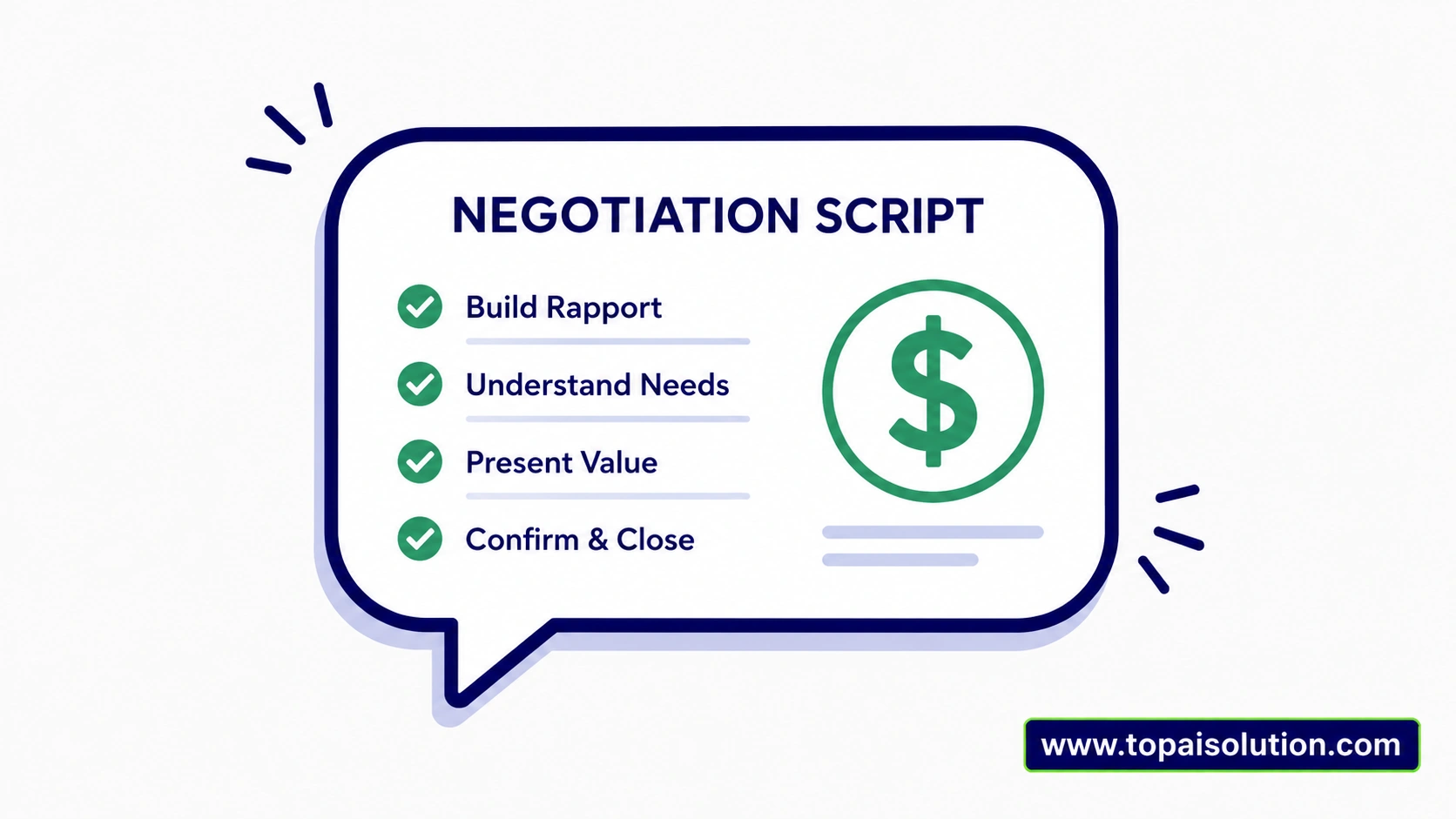
2. Build a Negotiation Script
This is where AI tools genuinely shine turning your research into an actual conversation plan.
How to use it: Give ChatGPT or Claude your target price, your researched fair market range, any competing quotes you’ve gathered, and ask it to draft a calm, specific negotiation script. A good prompt looks like: “I’m negotiating for a [year/make/model/trim]. My researched fair price is $X, MSRP is $Y, and I have a competing quote of $Z from another dealer. Help me write a short, confident script for countering a dealer’s first offer.”
This works because it’s exactly the kind of structured, detail heavy task AI is naturally good at if you want sharper results, our guide on how to write better ChatGPT prompts applies directly here too.
3. Compare Financing and Lease Terms
Dealership financing offers can be genuinely hard to compare apples to apples, especially between a loan and a lease with different terms, down payments, and mileage caps.
How to use it: Paste the numbers from a financing or lease offer (APR, term length, down payment, monthly payment, total cost) into ChatGPT or Claude and ask it to calculate the true total cost of ownership and compare it against a straightforward loan at a market average rate. This turns a confusing offer sheet into a clear side by side comparison in a couple of minutes.
4. Decode a VIN and Vehicle History Report
If you’re buying used, a vehicle history report (like Carfax) can be dense and easy to skim past red flags.
How to use it: Paste the report’s text or key details into an AI chatbot and ask it to summarize any accidents, title issues, odometer discrepancies, or ownership gaps in plain language, and flag anything that warrants asking the seller more questions before you commit.
5. Prepare Smart Questions Before a Test Drive
How to use it: Ask ChatGPT or Claude to generate a checklist of model specific questions and things to inspect based on known common issues for that particular car (transmission problems, infotainment quirks, common recalls) a few minutes of prep can save you from missing something a dealer won’t volunteer.

What AI Can’t Do For You
AI is genuinely useful for organizing research, drafting scripts, and comparing numbers but it can’t physically inspect a car, verify a VIN in real time against government databases, or replace an independent pre purchase mechanical inspection for a used vehicle. Treat AI as a research and preparation tool, not a substitute for due diligence you’d normally do in person.
Frequently Asked Questions
AI itself doesn’t negotiate for you, but it can help you walk in with a well researched target price and a clear negotiation script, which meaningfully improves your position compared to negotiating on gut feeling alone.
A general chatbot like ChatGPT or Claude is useful for organizing information and building a negotiation plan, while Perplexity is better specifically for pulling current, cited pricing data from the web.
Yes. AI chatbots don’t have guaranteed real time access to current market pricing on their own, so pulling real numbers from Kelley Blue Book, Edmunds, or TrueCar first, then using AI to organize and compare them, gives you the most reliable result.
Generally yes for research purposes, but avoid pasting sensitive personal information like your full Social Security number or account numbers stick to the vehicle and offer details themselves.
Use it as a strong starting point, not a rigid rulebook. Adjust it based on how the actual conversation goes, and always be ready to walk away if a deal doesn’t meet your researched target price.